

Hospital Radio Benefits
Hospital radio plays a unique and powerful role in supporting patients during their stay in hospital. Often run by volunteers and tailored specifically to patients’ needs, it offers comfort, connection, and companionship at a time when many people feel vulnerable or isolated.
One of the main benefits of hospital radio is reducing loneliness. A hospital stay can be long and emotionally challenging, particularly for patients who have limited visitors. Listening to friendly voices, music requests, and shout-outs from family members can create a sense of human connection. Unlike mainstream stations such as, hospital radio is designed specifically for patients, often mentioning wards, sharing local news, and even reading personal messages on air.
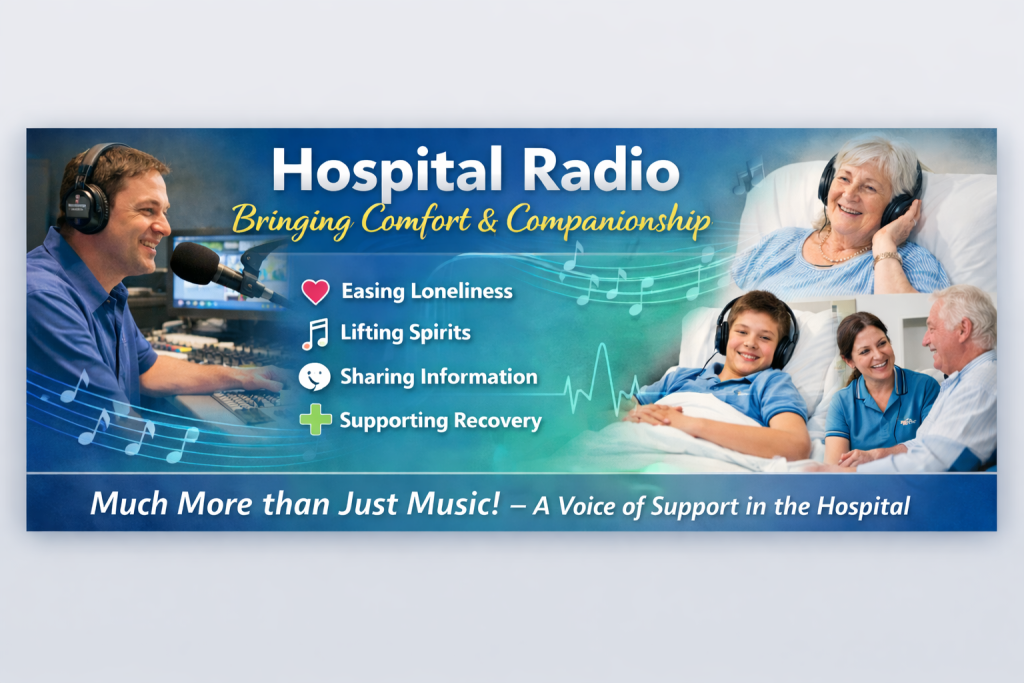
Hospital radio also supports emotional wellbeing. Music has a proven ability to lift mood, reduce stress, and trigger positive memories. Whether it’s a classic song from a patient’s youth or calming instrumental music before a procedure, the right programme can help ease anxiety. Request shows, in particular, give patients a sense of control and participation during a time when much of their routine is dictated by medical schedules.
Another important benefit is information sharing. Hospital radio can broadcast practical updates about hospital services, visiting hours, or available support. It can also promote health campaigns and explain services in a clear, accessible way. Because the station is focused on the hospital community, the information feels more relevant and immediate than general media broadcasts.
Hospital radio can even aid recovery. By improving mood and reducing stress, it contributes to a more positive healing environment. Engagement with programmes — whether through song requests, quizzes, or dedications — stimulates the mind and helps patients feel involved rather than passive.
Finally, hospital radio strengthens community spirit. Volunteers often visit wards (where appropriate) to collect requests, offering friendly conversation as well as entertainment. This human interaction, combined with personalised broadcasting, helps patients feel remembered and valued.
In short, hospital radio is far more than background noise. It is a source of comfort, companionship, and connection — bringing warmth and reassurance to patients when they need it most.

44
Reduced Patient Anxiety
44% of stations have evidence
that they are helping to create calming & reassuring atmosphere for their listeners.
89
Enhanced Social Interaction
89% of stations have
evidence of their
impact on social
interaction
99
Volunteer Engagement
99% of stations surveyed
reported having evidence of a
positive impact of their activity on
reducing boredom in hospital patients.
48
Positive Engagement
48% of stations have
received positive feedback from Health Care staff about the impact
of hospital radio on patients.
Transforming Patient Experiences Through Hospital Radio
Hospital radio helps ease many of the emotional and psychological challenges patients face during a hospital stay. Being in hospital can bring feelings of anxiety, uncertainty, and loneliness, particularly for those separated from family and familiar routines. Dedicated hospital radio services provide companionship through friendly, reassuring voices and personalised content, helping patients feel less isolated. Research into music therapy has consistently shown that listening to music can reduce stress hormones, lower blood pressure, and decrease perceived pain levels. By offering music requests, dedications, and calming programmes, hospital radio gives patients a sense of comfort and familiarity at a time when much feels out of their control.
Beyond easing anxiety, hospital radio also enriches overall wellbeing by promoting positive mood and cognitive engagement. Studies published in journals such as The Lancet have highlighted how the arts — including music — can support recovery by improving emotional health and even shortening hospital stays in some cases. Interactive features such as shout-outs, quizzes, and ward mentions encourage participation and mental stimulation, helping patients feel connected and valued rather than passive recipients of care. In this way, hospital radio is not simply entertainment; it is a therapeutic tool that supports resilience, enhances patient experience, and contributes meaningfully to a healing environment.

Reducing Boredom and Loneliness
Hospital radio provides engaging entertainment to keep patients connected and alleviate isolation during their stay.

Enhancing Patient Awareness
Our broadcasts promote health education, helping patients stay informed and empowered throughout recovery.

Alleviating Anxiety and Depersonalization
The comforting presence of hospital radio creates a sense of belonging, reducing stress and feelings of detachment.

Fostering Social Interaction and Volunteer Engagement
Hospital radio builds community by connecting patients, families, and volunteers, boosting morale and support networks.
The Positive Impact of Hospital Radio on Patient Care
This report reveals how hospital radio stations contribute to improved patient health outcomes through entertainment, social engagement, and increased health awareness.
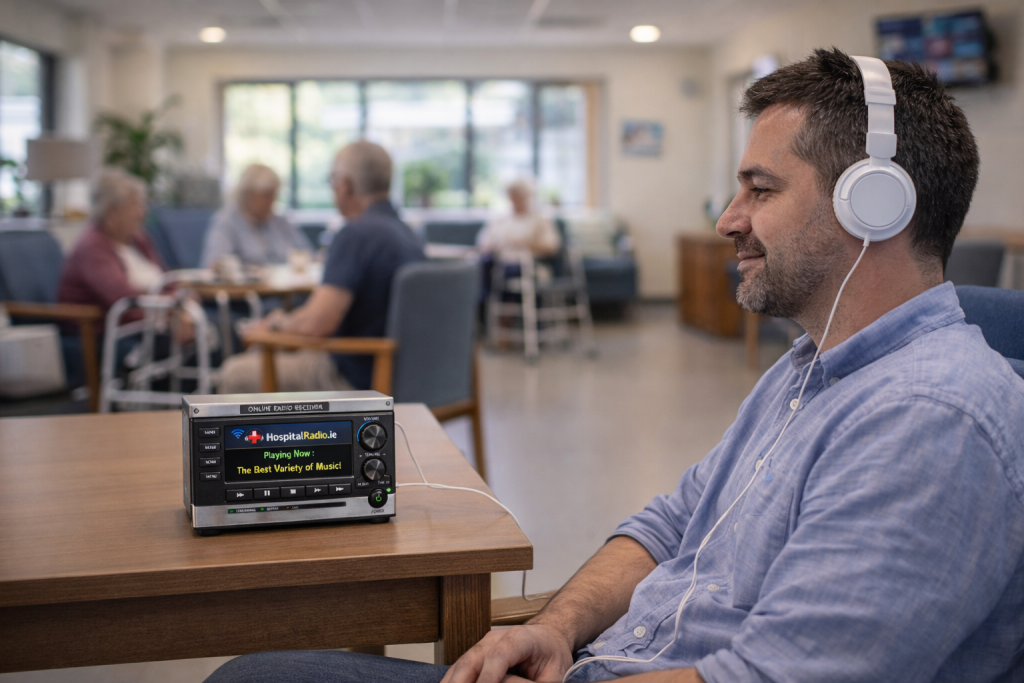
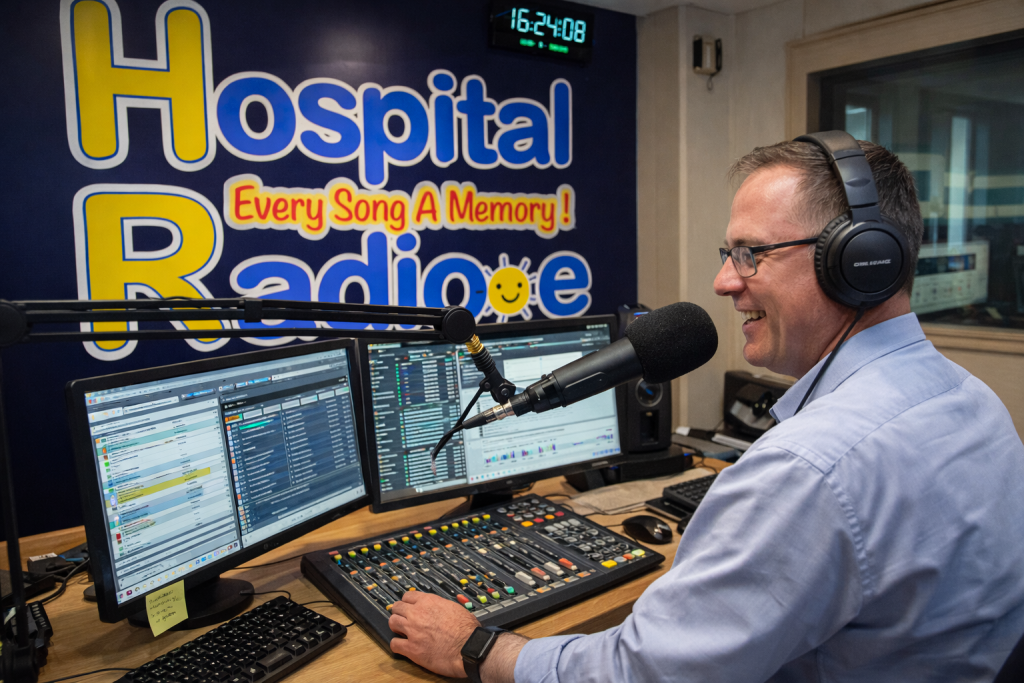
Maximizing the Benefits of Hospital Broadcasting
Learn how hospital radio volunteers and staff collaborate to create a supportive environment, improving patient morale and community involvement.
Enhancing Patient Experience Through Hospital Radio
This white paper highlights evidence-based strategies for hospital radio to foster social interaction, reduce boredom, and support emotional wellbeing.
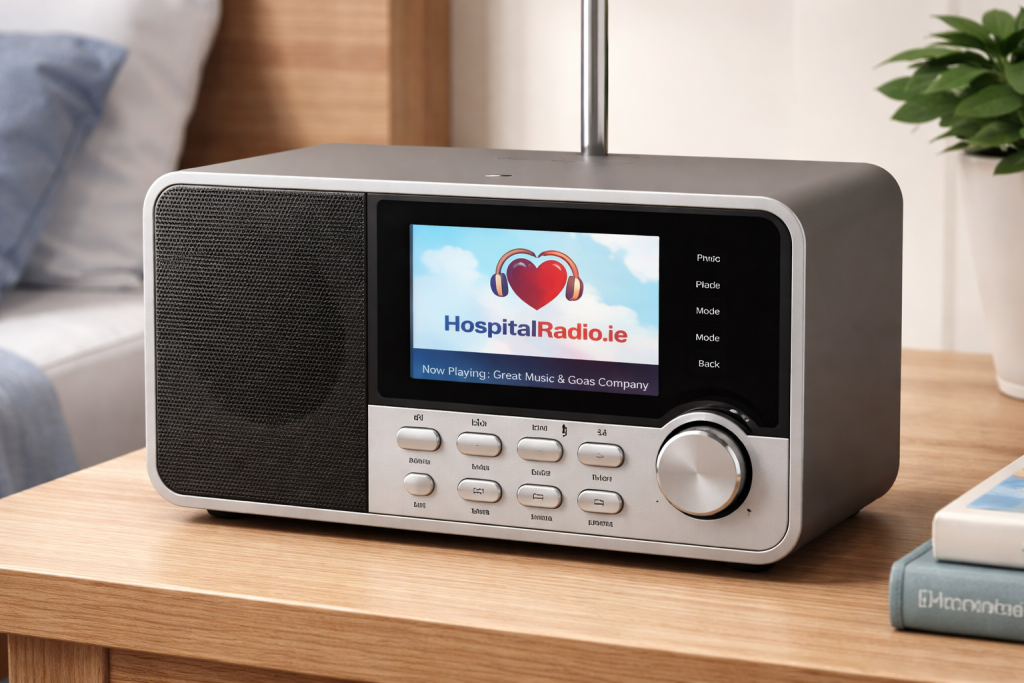
Understand the Impact of Hospital Radio
Reducing Patient Isolation
Listening to Hospital radio is shown to combats loneliness and fosters connection during hospital stays.
Enhancing Mental Health
Discover the psychosocial benefits hospital radio offers to patients and volunteers alike.
Promoting Health Awareness
See how hospital radio raises awareness and encourages positive health behaviours.
Explore how hospital broadcasting improves patient well-being and supports recovery through engaging content. The Hospital Broadcasting Association (HBA) in The U.K. published it’s “white paper into hospital broadcasting” with contributions from hospital radio stations, staff within hospitals and patients and their families in 2017
The HBA commissioned an independent piece of research into the impact of hospital broadcasting on health outcomes for patients. A UK wide study was completed involving over 250 individuals including patients, staff and hospital radio volunteers.
The study revealed that there was evidence of hospital radio stations having an impact on psychosocial health outcomes in the following ways:
- Boredom reduced by entertainment Loneliness reduced by social interaction
- Anxiousness / frustration reduced by being calming and reassuring
- Disorientation reduced by creating a sense of belonging
- Depersonalisation reduced by making one feel like an individual
- Health and wellbeing awareness increased by providing information
Participants in the research recognised the positive impact of hospital radio on reducing boredom, loneliness and anxiousness. Moreover, insight from the research revealed that hospital radio was actually positively influencing all of these psychosocial outcome measures.
Entertainment is provided by hospital radio through the playing of music, along with other content, that listeners like and that they feel is relevant to them.
Social interaction via hospital radio comes from providing listeners with a virtual friend, and through face to face interaction with volunteers from the station.
Hospital radio through the approach to broadcasting taken by presenters provides a distraction and is a calming and reassuring form of entertainment.
Hospital radio helps create a positive sense of belonging by familiarising patients with the hospital and allowing them to maintain a connection with their lives and people outside.
Hospital radio helps people to feel like an individual by focusing on their personality and music preferences.
Hospital radio has the potential to increase awareness of health and wellbeing by delivering information and advice in an appropriate and sensitive way.
In addition to benefitting patients, hospital radio has a positive impact upon volunteers through making them feel like they are doing something worthwhile and by creating a sense of community and belonging amongst radio station volunteers.
There is potential social value generated by hospital radio through the impact it has upon the psychosocial outcomes, and the links between them and both physical health outcomes and organisational priorities for the hospital, such as a positive patient experience.
Recommendations are made to increase the impact of hospital radio through raising awareness and promoting partnership working with hospital partners.